The results of a new study reveal that dialysis may not always be the best treatment for older people with kidney failure, and that types of care that do not include dialysis could be a valid alternative for some people.
The Prepare for Kidney Care trial was led by the University of Bristol and is the first randomised study of its kind in the world. It was funded by the National Institute for Health and Care Research (NIHR) and published in The Lancet on 4 November.
The aim of the study was to get better evidence of the benefits and drawbacks of different kinds of care for older people with kidney failure. Currently, over 70,000 people in the UK are being treated for kidney failure (also known as stage 5 CKD).
The standard treatment for kidney failure is kidney replacement therapy (dialysis or a transplant), which allows a person to stay alive without functioning kidneys. People with kidney failure can also choose conservative kidney management and not receive dialysis treatment.
- The study took nine years to complete and involved 445 participants from 31 UK kidney centres. 75% of the participants of the study were aged 80 or over. The remaining 25% were aged 67-79, but had additional health problems.
- The participants gave their permission to be randomly assigned to two groups. One group started preparation for dialysis, and the other started preparing for responsive management, a form of conservative care which does not involve receiving dialysis. The participants could choose to withdraw from the study at any time.
- The researchers then followed up with the participants after around 4.5 years. They looked at how the two approaches affected how long the participants survived and what their quality of life was. The researchers found neither approach was clearly better than the other.
- Only one in four of the group preparing for dialysis went on to start treatment. Participants in both groups were more likely to die from other causes than to need to start dialysis, which reflects the complicated health needs of older and more frail patients.
This trial establishes that if you are an older person with failing kidneys and other health problems, both preparing for dialysis and conservative kidney management are worth considering. Both have pros and cons. They result in similar overall length and quality of life. Neither should be the default.Professor Fergus Caskey, Project Lead on the Prepare for Kidney Care trial
These results are not relevant to people who are already receiving dialysis, or to younger and fitter patients with kidney failure. For these patients, dialysis and kidney transplantation remain the standard treatment.
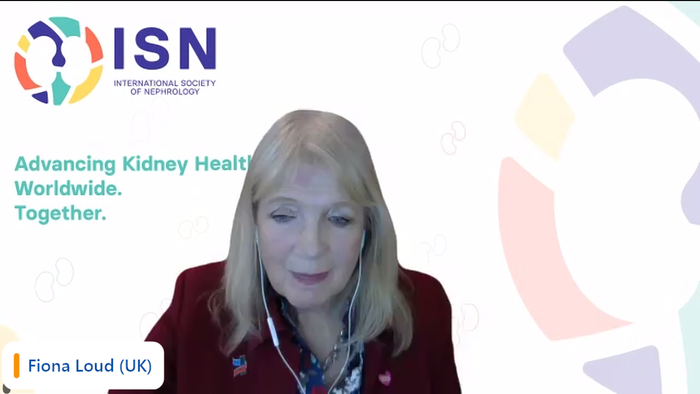
Kidney Care UK's Policy Director Fiona Loud was co-chair of the Prepare for Kidney Care Trial Steering Committee. She spoke about the study as a patient expert at a webinar held by the International Society of Nephrology. She commented on the importance of the trial:
Making a treatment decision when you have kidney failure is extremely daunting, which is why it is vital that anyone facing it is given all the information, advice, and support to be able to make the right, informed, choice for them. This study has made an important contribution to something that was previously missing: data on balancing choices if someone is older and frail and has a number of other health conditions. We should work together to use these helpful findings, so that they can inform our shared decisions and our (flexible) care plans. They give balance and evidence which we didn’t have before.
Staff also need to be supported so they can support patients with the choice that works for them and our NHS should be able to provide that care wherever a person lives. It should be noted that the choice of conservative care without dialysis is still an active treatment and patients can change their mind if they want to move on to dialysis. Thank you to all the patients and their families for taking part in this important trial – you’ve made a difference.Fiona Loud, Policy Director, Kidney Care UK