The Welsh government have launched a new two-year programme aimed at improving early identification and treatment of chronic kidney disease. They highlight Kidney Care UK research which demonstrated the low levels of knowledge about chronic kidney disease (CKD) and its links with diabetes and heart disease. Our work raising the issue of missed opportunities to discuss CKD and lifestyle modifications was cited in the programme, which has the potential to help people reduce their risk of severe CKD and progression to kidney failure.
Using medicines to slow the progression of CKD
A primary objective of the programme is to make sure more people are offered treatments for CKD, including SGLT2 inhibitors, which can slow the progression of CKD and reduce the risk of harm from cardiovascular complications. The rollout of these important medicines has been too slow across the UK, so we welcome the Welsh government’s action to address this.
Considering the individual needs of patients
Primary care teams are also asked to look at what else they can do to improve the identification and treatment of people with CKD, by looking at the particular needs of their patients and what will make the most difference. This could include testing more people at highest risk of CKD, encouraging healthy lifestyle changes, making sure people are on the right medications, and ensuring all staff have a good knowledge of kidney disease.
A welcome move towards prioritising kidney disease
Kidney Care UK welcomes this programme, which has the potential to reduce the harm caused by kidney disease for significant numbers of people. We have been calling for improvements in the identification, diagnosis and management of kidney disease across the UK. This work in Wales is a great example of what can be done. We hope CKD will continue as a national priority in Wales, and we urge health leaders to learn from this work and act now to reduce preventable CKD harm.
Speaking up for early identification of CKD in Parliament
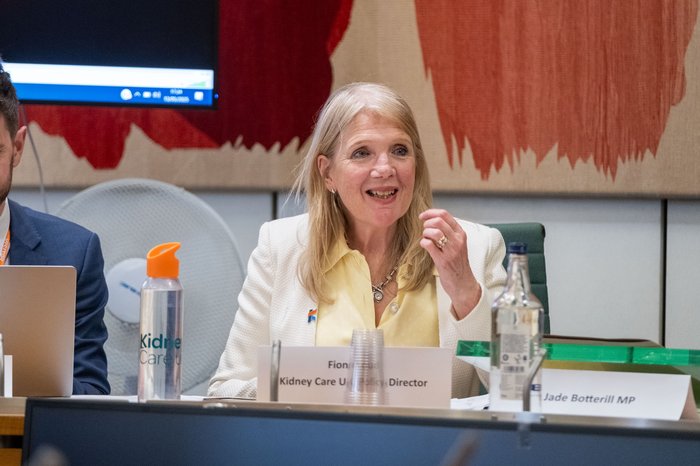
Our recent parliamentary roundtable addressed the lack of political prioritisation of CKD, which has resulted in missed opportunities to prevent CKD and intervene early. Given the UK government’s focus on prevention and economic growth, taking action on CKD – which is closely interrelated with cardiovascular disease, high blood pressure and diabetes – must be a priority.