High blood pressure affects one in three adults in the UK, but most people don’t know they have it due to a lack of symptoms. High blood pressure is one of the biggest risks for chronic kidney disease (CKD), and about half of people with CKD also have high blood pressure. CKD can also cause high blood pressure, so the two conditions often go hand in hand.
On Wednesday 3 December, Kidney Care UK and Blood Pressure UK partnered to organise a parliamentary event, with the support of Dr Simon Opher, MP for Stroud. The event brought together people living with CKD and high blood pressure alongside clinical experts and parliamentarians to call for action: we need better awareness of the linked nature of these diseases, more testing and joined-up care.

Patients and clinical experts shared powerful insights, urging everyone to know their blood pressure and have access to community testing. It is essential that people with high blood pressure are able to be tested for CKD. Current data shows that only one in three people diagnosed with high blood pressure had their kidneys checked in the previous year. There is a need to ensure that clinicians are educated on the importance of directing all patients with high blood pressure to testing for CKD, and NHS data sharing systems enable the follow up of patients who need a check for CKD.
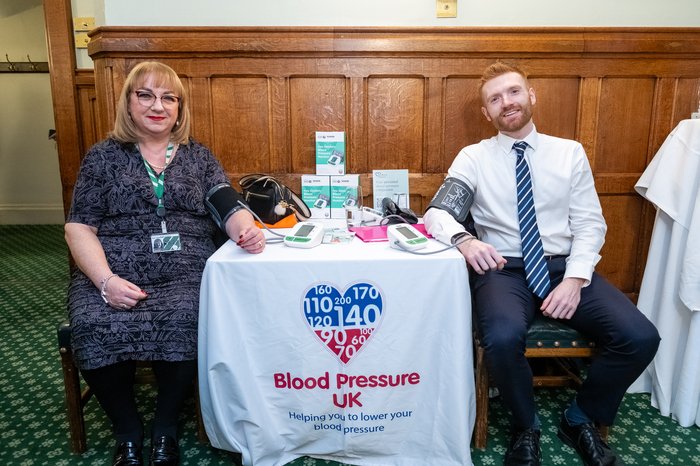
Neighbourhood health services like GP practices, workplaces and community clinics are vital for providing joined-up care for these linked conditions. Existing policies and initiatives, such as the NHS community pharmacy hypertension case-finding service, should be used as an opportunity to address gaps in CKD identification and treatment.
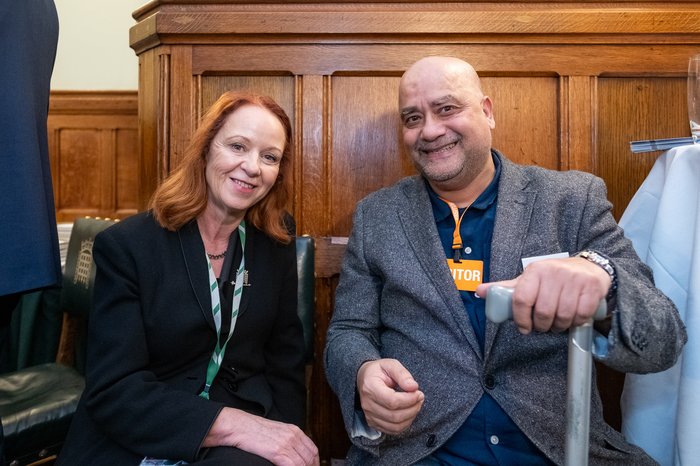
During the event, discussions drew attention to insufficient uptake of the over-40s NHS Health Check in England, and the findings of the National Audit Office expert report, recommending action to increase the number of people being screened through the programme.
Kidney Care UK supports the expansion of the NHS Health Check programme to include younger age groups at high-risk of kidney disease.
We need to detect earlier and treat faster to slow the decline of kidney function, and prevent the onset of severe kidney disease before it starts.Fiona Loud, Policy Director at Kidney Care UK
Diagnosing CKD early provides opportunities to delay and stop disease progression, such as lifestyle interventions and initiation of medication. The National Institute for Health and Care Excellence, who provide expert guidance on care and medicines for patients, has recommended medicines, such as SGLT-2 inhibitors, that can reduce the risk of cardiovascular events by 23% in people with CKD and significantly delay dialysis. Yet a recent analysis showed that only 30% of eligible patients were prescribed these drugs and action is needed to make sure eligible people with CKD are receiving the treatments they need to stop disease progression.
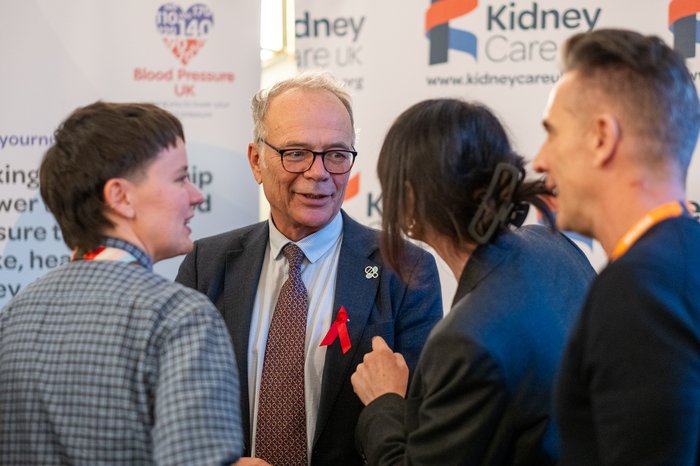
The event highlighted that practical solutions are available and action can be taken now to ensure everyone knows their blood pressure numbers and increase early detection of CKD, so that progression of the disease and dialysis treatment or the need for a transplant can be prevented, reducing the personal burden on individual patients as well as wider costs to the NHS and society.
Blood pressure and kidney health are connected, and we need to ensure care is too. We need to act now to prevent CKD progression and save lives.
Many thanks to all our patient representatives, and for the nearly 30 MPs and peers who came to find out more about chronic kidney disease and blood pressure.