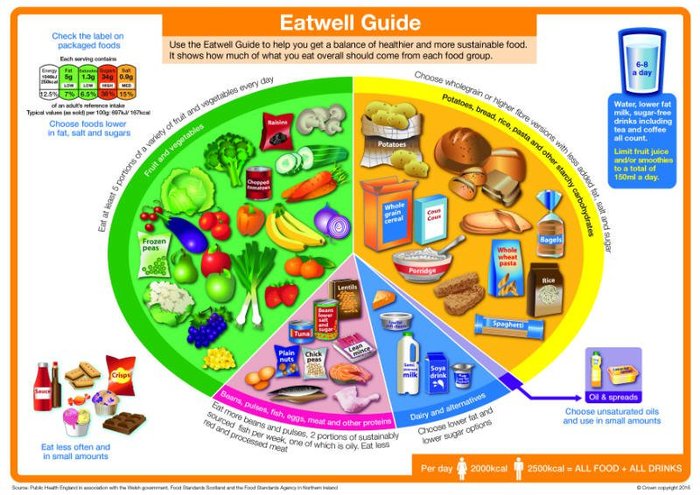
Both the Mediterranean diet and the Eatwell Guide include plenty of high-fibre, plant-based foods such as fruits, vegetables, beans, pulses and wholegrain, starchy foods.
Enjoying the proportions of these food groups suggested in the Eatwell Guide over the course of a week will support your kidney health. This approach also complements personalised advice from your kidney dietitian, who will let you know if any adaptations are needed based on your stage of CKD or individual needs.
Many Kidney Kitchen recipes naturally follow these principles, making it easier for the whole family to enjoy meals that are both delicious and nutritionally balanced.
Potassium is an important mineral that helps keep muscles, nerves and the heart working properly.
Not everyone living with CKD needs to limit potassium, and high potassium levels are not always caused by food.
Things like kidney function, medication, constipation, illness or missed dialysis can all affect potassium levels.
- If potassium levels do need to be managed, your kidney dietitian will help you work out why this is the case and advise the best approach for you. This will usually include looking at portion sizes, balance and food choices, rather than cutting out whole food groups.
- It may help to know that potassium additives found in some processed and ultra-processed foods are absorbed very easily by the body and can have a bigger effect on potassium levels than fruit and vegetables. Cooking from scratch using simple ingredients helps you avoid these additives.
- There is no benefit in avoiding fresh fruit and vegetables. Some outdated advice found online can be overly restrictive. Kidney Kitchen recipes reflect up-to-date nutrition guidance, showing how a wide range of foods can be enjoyed safely, in the right amounts, while still supporting potassium management when needed.
Phosphate is a chemical containing the mineral phosphorous which our body needs to make energy, help our nerves and muscles work properly and support growth. Kidneys help to remove any excess phosphate from the body. However, if you are living with kidney disease, excess phosphate can build up in the body. Over time, this buildup of phosphate can lead to cardiovascular problems.
There are two types of phosphate found in food:
- organic phosphates
- inorganic phosphate salts
Organic phosphates are found naturally in plant-based foods – vegetables, beans, nuts, cereals and wholegrains, and protein-rich products such as milk, cheese, yogurt, meat and fish.
The fibre in plant-based foods helps most of the phosphate pass through the body without it being absorbed. This is great news as you can get all the goodness from these foods without absorbing too much phosphate.
Inorganic phosphate salts are added to ultra-processed foods as additives and preservatives. Phosphate salts are easily absorbed by the body and can cause blood phosphate levels to rise quickly, which is another good reason to limit your intake of processed and ultra-processed foods and try to eat real foods cooked from scratch, where possible.
How to make mealtimes healthier
- Eat more whole foods, like fresh vegetables, fruits, wholegrains, beans, and lentils which are all packed with goodness.
- Frozen and tinned vegetables and fruit without added salt and sugar can be great ways to add colour, flavour and nutrients.
- Choose fresh, frozen or tinned meat and fish, without added salt or additives.
- Learn how to tell if a food is ultra processed by getting to know ingredients that are used in ultra-processed foods – these are ingredients you won’t typically find in your kitchen cupboard.
- Cook from scratch as often as possible, using whole and minimally processed foods.
- Mix it up! Add a variety of different coloured vegetables to meals – 'eat the rainbow' to boost vitamins, minerals and fibre.
- Batch cook and freeze portions, to save time, money and energy. This can also help families prepare different portion sizes for adults and children.
When you’re a child or young person, living with kidney disease can feel especially tough. Going out with friends, eating at school, and taking part in sporting activities all need more planning around medical treatments and food.
There are many things you can do to help your child manage their kidney disease as they transition to becoming a teenager. Among these are involving them in selecting, preparing and cooking food for the whole family, at a young age. By developing their understanding of food and building on their kitchen skills, you will arm them with the confidence to know what foods are healthy and how to introduce these into their everyday life in a fun way. This will help them live well with kidney disease for the rest of their life.
All the recipes in the Kidney Kitchen are a great way to teach your child cooking skills and help get them, their siblings and friends involved. Everyone can learn new skills and enjoy inviting friends over to try out the results!
