Chickpea and vegetable casserole with cheddar dumplings
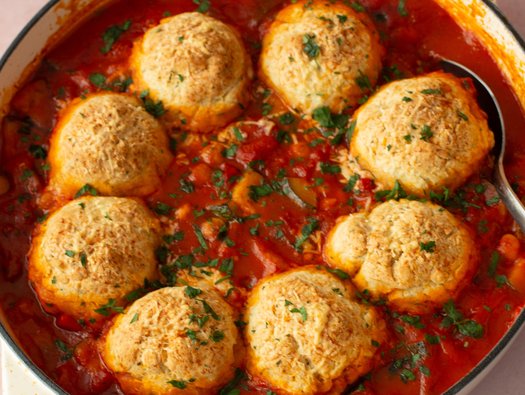
Packed with vegetables, this recipe is wholesome and nourishing while low in protein.
https://kidneycareuk.org/get-support/healthy-diet-support/kidney-kitchen/recipe-index/chickpea-and-vegetable-casserole-with-cheddar-dumplings/
Packed with vegetables, this recipe is wholesome and nourishing while low in protein.
1 tablespoon olive oil
1 onion, peeled and chopped
1 pepper (any colour), deseeded and chopped
2 x 400g tins chopped tomatoes
1 tablespoon harissa paste
2 large courgettes, chopped into large chunks
1 x 400g tin chickpeas, drained and rinsed
1 zero-salt vegetable stock cube
200g plain flour
½ teaspoon bicarbonate of soda
½ teaspoon cream of tartar
1 teaspoon dried parsley
25g butter, cubed
75g mature cheddar, grated
100ml milk
300g tenderstem broccoli
Heat a large, flame-proof, casserole dish over a low heat on the hob with the olive oil and cook the onion and pepper until soft. Pour in the chopped tomatoes and then fill one of the cans with water and add that as well.
Stir in the harissa, courgettes and chickpeas. Crumble the stock cube into the pot, cover and simmer for 20 minutes until the vegetables are tender.
Preheat the oven to 180°C/160°C fan/gas mark 4. Make the dumplings by putting the flour, bicarbonate of soda, cream of tartar and parsley into a bowl with the butter. Rub the butter into the flour, to the consistency of fine breadcrumbs. Mix in the cheese and using the blade of a knife, mix in the milk, until a dough forms. Tip out and form into eight equal balls.
Remove the casserole pan from the hob and place the dumplings on top of the stew. Cook, uncovered, in the oven for 20 minutes until golden.
If serving with the tenderstem broccoli, boil in a pan of water for 5 minutes just as the casserole is ready. Remove the casserole from the oven and serve with the drained tenderstem broccoli.
Serving sizes are based on adult portions. Here is a guide for children:
Toddler (age 1-4): ¼
Young child (age 5-9): ½
Older child (age 10-13): ¾
Teenagers (14+): 1
Some children do have bigger appetites than others. You child’s portion may need to be changed to fit their typical diet if you think the recommended serving sizes are too large or small. We would advise speaking with your dietitian prior to increasing the serving size if your child has struggled to manage potassium or phosphate.
The flour is the main source of carbohydrate in this recipe, and the value has been provided for those who have been trained in insulin adjustment.
If you need to gain weight, have a growing child who needs more calories, or have a poor appetite, you can add extra oil or butter to this recipe.
This recipe is low in protein, therefore suitable for those advised to eat less protein. If you have been advised to eat more protein, you could replace chickpeas with 200g chicken or choose higher protein foods at other meals during the day.
Phosphate/ potassium Despite the use of some high potassium ingredients, such as tomatoes, this recipe is low in potassium, when following the quantities in the ingredients, and the serving sizes. Therefore, suitable for those advised to lower potassium in their diet.
This recipe is also low in phosphate, however it does contain some phosphate, mainly provided by the cheese, therefore if you have been prescribed a phosphate binder you should take as directed.
Use gluten-free flour.
Use vegan butter and milk alternative.
Use unsalted butter for a healthier option or use a margarine made of vegetable oils to reduce the saturated fat content.
This dish is best served freshly made, but once cooked and cooled, it can be stored in an airtight container in the fridge for up to 2 days. Reheat until piping hot throughout before serving.

By giving us your email address, you're giving us permission to send you regular Kidney Kitchen emails from Kidney Care UK. Further information about how we protect and use your personal data is available in our Privacy policy. If you would like to change the way we communicate with you at any time please email [email protected]. You can unsubscribe at any time by using the link at the bottom of every email we send.
A tasty, filling, winter warmer for all the family to enjoy, our stew is packed with vegetables and low in salt, potassium and phosphate.
You can enjoy a wide variety of delicious and healthy food when you are living with kidney disease. All Kidney Kitchen recipes are analysed and approved by kidney dietitians. Search through our kidney-friendly recipes or filter them by category below.
This juicy chicken casserole is low in potassium and high in protein, making it an ideal meal for those having dialysis.