On a hot summer day, nothing beats a refreshing, fruity homemade ice lolly as a tasty dessert or afternoon treat to bring the temperature down a bit.
If you have chronic kidney disease (CKD) and have been advised by your kidney dietitian to manage your fluid levels, a homemade ice lolly can really help quench your thirst in the heat and can contain as little as 35-100ml of your daily fluid allowance.
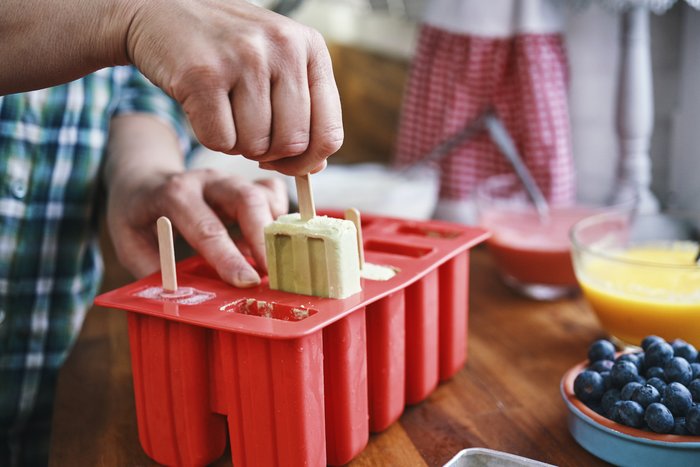
Silicone ice lolly moulds (50-60ml per lolly) can be used time and time again and will help you measure the amount of fluid you drink if you have been advised to monitor it.
Top tips for making your own kidney-friendly ice lollies
Many shop-bought ice lollies contain a lot of sugar. Adding fresh, tinned or frozen fruit is a simple and healthier way to sweeten your own homemade lollies. Honey is a great alternative sweetener. However, remember that both ‘added sugar’ and ‘intrinsic sugar’ (contained naturally in the fruit) will impact blood glucose levels if you are also managing diabetes.
Include some nutrient-rich raspberries, strawberries, watermelon, pears, peaches and pineapple in your homemade ice lolly recipes.
Potassium is found in many foods and drinks, including processed foods. If you have been advised to limit the potassium in your diet by your healthcare team:
- Avoid shop-bought ice lollies, which contain fruit from concentrate, as these can add to your dietary potassium load.
- Also watch out for ice lollies that contain mainly fresh high-potassium juices like orange or grapefruit, or banana.
- Keep an eye on the ingredient list and try to avoid options that contain potassium-based additives.
- Homemade is always best and homemade ice lollies allow you to choose kidney-friendly ingredients.
When you are living with CKD, your kidney dietitian may suggest that you need to manage the levels of phosphate in your diet.
Homemade ice lolly recipes that include full fat yogurt can provide a useful source of protein and calcium, but they will also contain phosphate.
Plant-based alternatives such as soy yogurt or plant milks may be lower in phosphate, however they often contain added stabilisers or phosphate-based additives, so it’s important to check labels carefully.
In addition, many plant milks (such as almond, coconut or oat) are low in protein, so they are not nutritionally equivalent to dairy. If you use plant-based options, choose unsweetened varieties with minimal ingredients where possible.
Don’t forget to include lollies in any fluid restrictions
A single homemade ice lolly contains 30-100ml of fluid, depending on the size of the ice lolly mould. Remember, any frozen food that becomes liquid at room temperature, including ice lollies, counts towards your daily fluid intake.
Lower potassium and lower phosphate ice lolly recipes
If you have been advised by your kidney dietitian to choose lower potassium or lower phosphate options, some fruits and milks contain less potassium and phosphate than others.
Try to base your smoothie mix on berries, pineapple, lemon and coconut milk.
- For a tasty, low-potassium ice lolly, blend watermelon (with the seeds removed) with a small amount of coconut milk and a squeeze of fresh lemon.
- For a ‘berry-delicious’ flavour, blend a handful of frozen mixed berries with some milk.
- For a tangy and refreshing combo, blend a punnet of raspberries with a tin of drained pear halves, juice from a whole lime, and 2 tablespoons of honey.
