Peanut butter bars
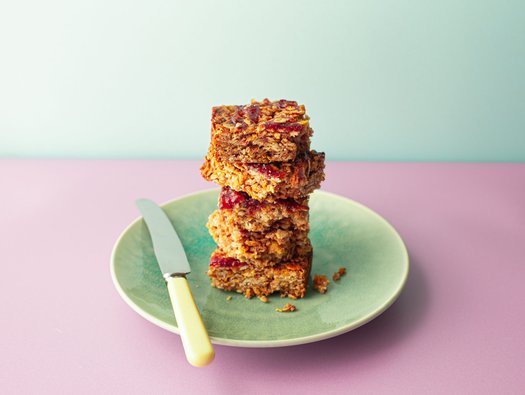
A yummy sweet treat or dessert that both kids and adults will love – yet still low in potassium and phosphate.
https://kidneycareuk.org/get-support/healthy-diet-support/kidney-kitchen/recipe-index/peanut-butter-bars/
A yummy sweet treat or dessert that both kids and adults will love – yet still low in potassium and phosphate.
110g unsalted butter
75g peanut butter (100% nuts with no added salt)
140g strawberry or raspberry jam
80g light, soft brown sugar
150g rolled oats
100g cornflakes, slightly crushed
Preheat oven to 170°C / 150°C fan / gas mark 3. Line a 23cm x 23cm baking tray with greaseproof paper. Put 50g of the jam into a bowl and stir to loosen. Set aside.
Put the butter, peanut butter, remaining jam and sugar into a pan and melt over a medium heat until fully dissolved. Add in the oats and cornflakes and stir well to combine.
Press the mix into the prepared baking tray. Drizzle the loosened jam over the top of the mixture. Bake for 20-25 minutes until crisp and golden.
Remove from oven and cool in the tray for 2 hours. When cool, cut into 14 equal squares (for adult portions).
Serving sizes are based on adult portions.
Peanut butter bars: 1 square per adult
Here is a guide for children:
Toddler (age 1-4): ¼ portion (¼ peanut butter square)
Young child (age 5-9): ½ (½ peanut butter square)
Older child (age 10-13): ¾ (¾ peanut butter square)
Teenagers (14+): 1 (1 peanut butter square)
Some children do have bigger appetites than others. You child’s portion may need to be changed to fit their typical diet if you think the recommended serving sizes are too large or small. We would advise speaking with your dietitian prior to increasing the serving size if your child has struggled to manage potassium or phosphate.
Oats, cornflakes, sugar and jam are the main sources of carbohydrate, and the value has been provided for those trained in insulin adjustment.
This recipe is very low in potassium and phosphate, but does contain some phosphate, mainly from the oats and peanut butter, so if you have been prescribed a phosphate binder, take as directed.
Many peanut butter brands are unsalted, but some do contain added salt, so it's best to check the ingredients list and choose one without added salt where possible.
This recipe has been kept as low in cost as possible, and even unsalted peanut butters are available in budget supermarkets.
Replace butter with vegan alternative and ensure cornflakes are vegan.
Use gluten-free oats and cornflakes.
Once cooked and cooled, this recipe can be stored in an airtight container for 4 days.
Any flavour of jam can be used and either smooth or crunchy peanut butter.
Living with kidney disease doesn’t mean missing out on all baked goods, even on a low-phosphate diet. Kidney Kitchen recommends some tips and tweaks to help make your bakes a little more kidney-friendly.
You can enjoy a wide variety of delicious and healthy food when you are living with kidney disease. All Kidney Kitchen recipes are analysed and approved by kidney dietitians. Search through our kidney-friendly recipes or filter them by category below.
A plain cupcake you can decorate in different ways for lots of different occasions; low in potassium and phosphate, and also free from phosphate additives.

By giving us your email address, you're giving us permission to send you regular Kidney Kitchen emails from Kidney Care UK. Further information about how we protect and use your personal data is available in our Privacy policy. If you would like to change the way we communicate with you at any time please email [email protected]. You can unsubscribe at any time by using the link at the bottom of every email we send.