Before I knew it, I had to get my head around dialysis, deciding if I was going to do peritoneal dialysis (PD) or haemodialysis (HD). It was a whirlwind, I felt like I didn't have time to process what was happening.
Diagnosis, dialysis and the paired/pooled donation scheme
"I was diagnosed with CKD in 2016. I was feeling really tired, so I went to the doctor and had a blood test, and it came back that I had stage 3 CKD.
"Because of my age, I was monitored by a kidney consultant to keep my blood pressure under control. They mentioned that if I wanted to start a family, I'd need to hurry up as my kidneys were deteriorating, and we were told pregnancy and birth can accelerate kidney damage.
"I had my daughter in 2019, and I was lucky to go full term without many complications. Fast forward two years, I had my son, and I was still stage 3 CKD. His pregnancy was really difficult, and he was born four weeks early. I chose to have a C-section because my kidney function was suddenly declining. After he was born, I was stage 4 CKD, and my kidney function just went down.
"In August 2024, I went into stage 5 CKD and suddenly I was having conversations about dialysis and transplantation. The plan was always to have a living transplant and avoid dialysis, but my function was going down so quickly that dialysis became my only option because we weren't ready for transplant. Before I knew it, I had to get my head around dialysis, deciding if I was going to do peritoneal dialysis (PD) or haemodialysis (HD).
"It was a whirlwind, I felt like I didn't have time to process what was happening. I was in shock and felt a sense of grief and disappointment. I had a lot of fear about how my life would change, and my biggest worry was that I wouldn't be able to be there as much for my children."
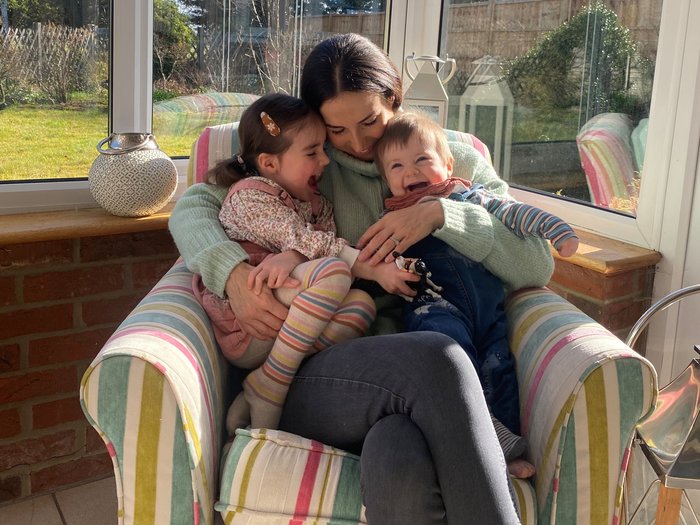
"By April 2025, life was getting so hard. Even getting the children up and dressed and walking the tiniest distance to school felt impossible. That's when I knew I needed to go on to dialysis and I now believe it was the best thing I could've done."
"My husband and I decided that we didn't want to do PD because we didn't want to make fill our home with loads of medical equipment. So, I decided to try in-unit HD and after the first session I felt so much better. I think I have dealt with it quite well. I try and reframe dialysis as time for me. It is so intense having two young children, so I try and do life admin when I'm dialysing. I like that I can leave my dialysis sessions at the unit and come home to a 'normal' life.
"Since starting dialysis, my husband, my cousin and my father-in-law have gone through the rigorous testing to be matched for a kidney donation. My father-in-law has put himself forward for the paired/pooled donation scheme*, and we were actually matched in the first run in autumn 2025 but that got cancelled.
"I then got the call in early November 2025 that we were successful in the October run, and that felt like it was progressing more. My father-in-law had all the tests done again but unfortunately that transplant was cancelled due to an issue with tissue typing. It was such a shame as it was only us and another couple in the chain."
*The paired/pooled donation scheme allows a person and their donor to 'swap' kidneys with another donor-recipient pair so that both have a higher chance of receiving a successful transplant.
I try to look at dialysis in a positive light, and I am so grateful that it is working, but I do feel like I miss out on the little things.
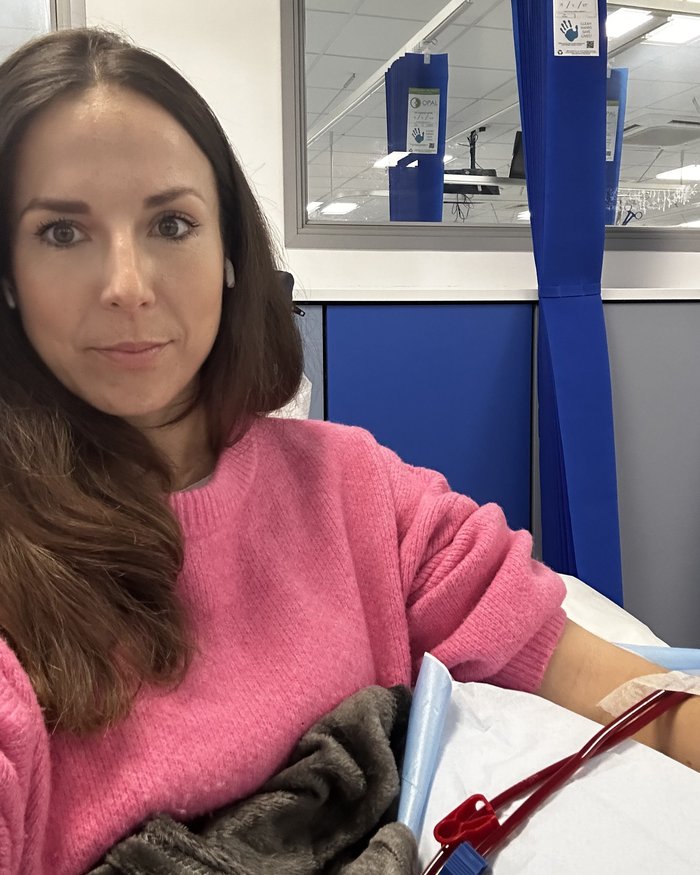
A week in the life on haemodialysis
"I dialyse at Hinchingbrooke Dialysis Unit on Tuesday, Thursday and Saturday. It is a small unit, and the staff are amazing.
"I leave the house about 6:45am and get to the unit for about 7am. Depending on how many staff and people need putting on, if I am the last one to get there I sometimes have to wait until 7:30 or even 8:00 to get on. From there it is three hours on the machine and normally I am out at 11am and then drive back home.
"Having my treatment so early makes for a really long day because your body has gone through so much in the morning. It is powerful to see people's reaction when you tell them how many hours you are spent tied to a machine, how much your life has to change to go on dialysis. People just don't understand and don't know about kidney failure.
"Tuesdays are the worst day because of the two-day break. I've been having had migraines after, and even if I am lucky enough not to get one, I still have to sleep after my dialysis session. By the time I wake up it is time to collect the children and come home and then do dinner. It almost feels like a write-off day. It is really hard.
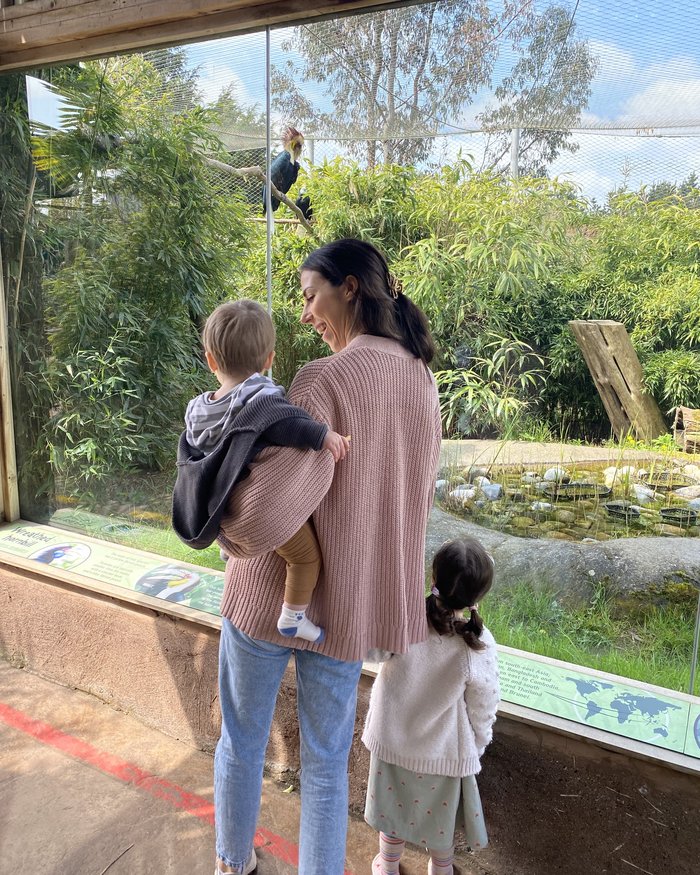
"Thursdays and Saturdays are better than Tuesdays. I will be tired after them, but I can get on with my day. On Saturdays, if I have a good session I'll come home and have the energy to do something with the children. A few Saturdays ago, I did HD and then and went to the zoo after with my husband and the kids. I then treat Sunday and Monday as my weekend.
"I try to look at dialysis in a positive light, and I am so grateful that it is working, but I do feel like I miss out on the little things. I missed my daughter assembly recently; I miss my son's football practice. They feel like things I'd never miss if I didn't have CKD.
"The hardest thing about HD is that it feels like a rollercoaster. It is like having a really bad hangover every other day, but then on the non-dialysis days I am 'normal'. It feels so extreme, but that is what you get with HD. I don't want to say it is brutal, but it is, it's invasive and it feels relentless and demanding. I have been lucky that I haven't had bad symptoms from dialysis but as time has gone on my body has gotten more tired. There is no break from it, you've never very far away from the next session."
Deb has seen the change in me, and I feel like a different person now. Going from being overwhelmed by everything to being able to cope, I have her to thank.
Kidney Care UK's support
"After my fistula operation I was really struggling mentally. I had never been self-conscious before but after my fistula operation, it felt like I had lost my arm. I never had any therapy or counselling and never spoken to anyone about my CKD, but I contacted Kidney Care UK and got put through to speak with Deborah, a Patient Support & Advocacy Officer (PSAO). She was so kind and understanding and she could tell I wasn't doing well. I started to feel so much better after speaking to her in April 2025 and I've been in contact with her since then.
"My biggest issue was the impact of CKD on my children. They couldn’t understand why my arm was so swollen and bruised from the fistula, it was so confusing for them. I had different ideas on how to approach the topic, and Deb was so supportive in helping me understand how to communicate that to a five and three-year-old. She has supported me with things that I didn't even know were bothering me, giving me the space to talk to someone who is not in my direct network of friends and family.
"That practical and helpful advice has made such a big difference. Because I now feel okay with dialysis, she has been able to help me mentally prepare for the possibility of a transplant. Deb has seen the change in me, and I feel like a different person now. Going from being overwhelmed by everything to being able to cope, I have her to thank."
Awareness of CKD
"Some people just don't get CKD, and it boils down to a lack of awareness. Kidney disease often goes undetected until the late stages and it's a really tough condition because there is no cure. Dialysis and transplant are the only treatment options, and both come with complications. A transplant isn't a permanent fix, and I will most likely need at least two or three in my lifetime.
"There is just a general lack of empathy, and you see the difference between CKD and the 'well known' diseases. I am here and 'normal' most of the time – some friends see the deterioration – but the weight of my kidney failure isn't understood.
"I do get on with kidney failure and carry on as much as I can, but that doesn't mean it isn't really hard. I'd like people reading my story to remember that even in the hardest chapter of my life, I am still able to be there for my family and live a fulfilling life. My story isn't just about illness – it's about resilience and strength and choosing hope, even when the path is uncertain."
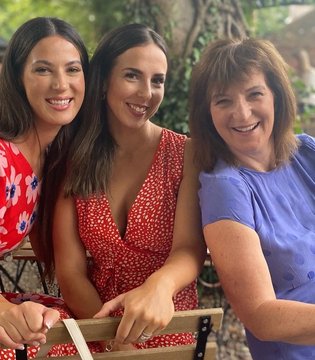
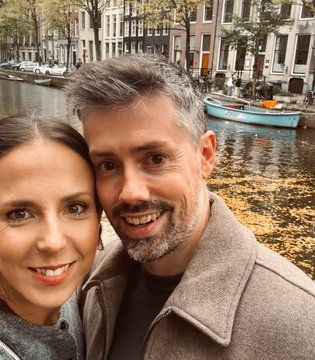
Clare with her sister and mum, and with her husband